In this blog post, we’ll discuss the advantages and disadvantages of a fixer-upper and whether it’s worth the money.
Pro: Lower Purchasing Cost
Fixer-upper homes generally have lower purchasing costs due to several contributing factors. The first reason is that these properties often feature outdated designs, which is less appealing to potential buyers. Most people prefer move-in ready homes. As a result, sellers must set a lower list price to attract those willing to invest time and effort into modernizing and renovating the house.
Furthermore, not everyone is willing to commit to what a fixer-upper demands, so there’s typically less competition for these properties. This means that bidding wars are less likely, and interested buyers have a higher chance of securing the property at a reasonable cost.
Con: The Process Can Be Long
A con of buying a fixer-upper is that the process can take longer than expected. Depending on the scope of your project, renovations can drag on. This is especially true if unforeseeable issues arise.
For instance, you may want to replace the kitchen floors but find mold on the subfloor after tearing them up. This adds time and money to your renovation, which can throw a wrench into your original plan.
Pro: You Can Customize It
A house is a building, but the people in it make it a home. You can inject your personality, style preferences, and functional requirements into the design. Plus, updating the house can add significant value to your home. Your unique touches breathe life into a previously outdated property.
Best of all, the process feels rewarding as you watch your vision come to life. Seeing the results of hard work and dedication makes it all worth it.
Con: End Costs Could Be Higher
When you finish renovating the home and buying furniture, the home may cost more than a move-in ready one. One way to try lowering costs is to ask about specific areas, such as the appliances and HVAC system—how old are they, and when were they last maintained?
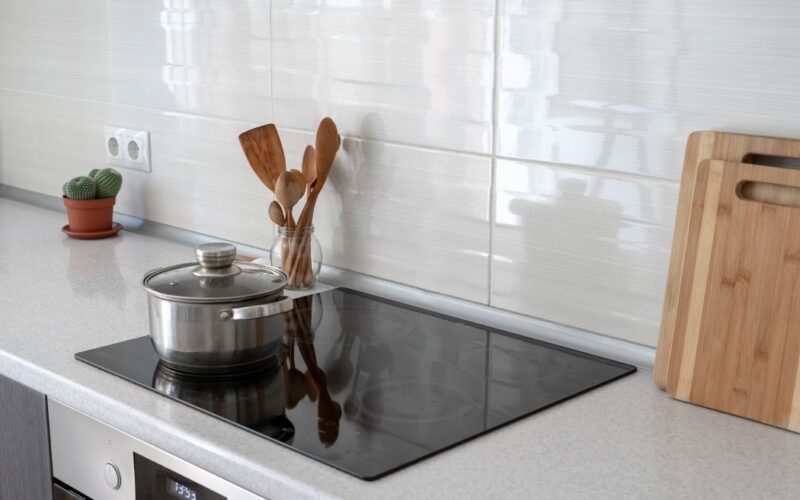
For example, when repairing or replacing a cooktop, most have to shop for a new appliance when it becomes dated. This is because older appliances use dated technology and are at the end of their life spans. Inquiring about the age of all home appliances, HVAC systems, and the water cooler/heater can reduce spending in these areas so you can focus your budget on major renovations.
Is It Worth It?
So, is a fixer-upper worth the money? Only you can answer this question. While these pros and cons apply to every buyer, each individual will weigh them differently. If you’ve always dreamed of owning a custom home and don’t mind the work that goes into it, this is a perfect choice. Start shopping for your dream home!
Image Credit: Kitchen with built in ceramic induction stove By brizmaker FILE: #293416700
|__________________________________________________________|
home remodeling surprise
find out where it might go - new win


Helpful article? Leave us a quick comment below.
And please share this article within your social networks.