Drafts, moisture stains, warped trim, and uneven operation can all start with small mistakes around the frame.
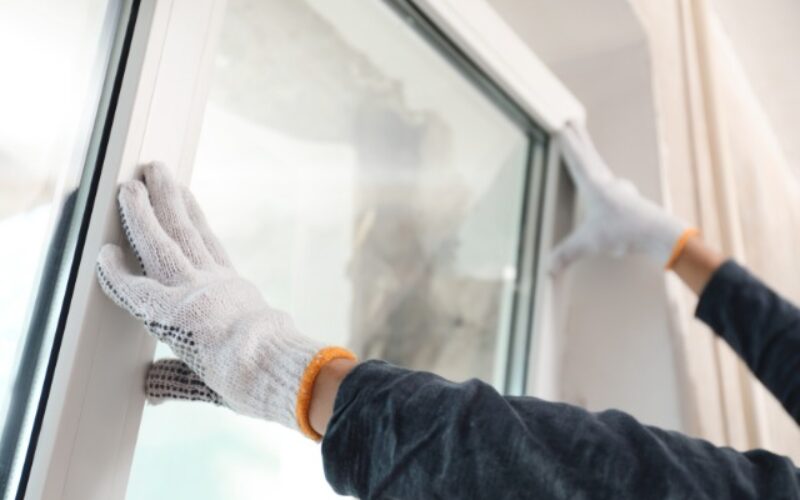
Professional window installation prevents drafts, solves moisture issues, and increases the curb appeal of many homes. Keep reading to find out how trusting in professional installation helps you get the most out of your window purchase.
Why Fit Matters First
A window needs a clean, accurate opening before it can perform well. Installers check the wall depth and surrounding framing before setting the unit in place. Small gaps can let air move through the wall assembly. Tight or uneven openings can also stress the frame, which may cause window sticking or early seal failure.
Drafts Start Around the Edges
Most drafts do not come through the glass. They usually come from spaces around the window frame where insulation, flashing, or sealant failed to create a complete barrier.
Professional installers focus on the entire opening, not just the visible window. They use the right insulation and sealants for the frame material and local climate.
Common draft sources include:
- Gaps between the window frame and rough opening
- Missing or compressed insulation
- Cracked exterior caulk
- Uneven shimming
- Poorly sealed trim joints
Each issue may look minor on its own. Together, these gaps can make rooms feel colder in winter, warmer in summer, and less consistent throughout the day.
Water Needs a Clear Path Out
Moisture causes some of the most expensive window-related damage. Rain and condensation can reach wood framing, drywall, insulation, and trim when installers skip proper water management. Flashing plays a major role here. It directs water away from the opening and keeps it from collecting behind siding or trim.
Homeowners who want to understand the planning behind difficult openings should know how professionals plan window installation for unique homes, where details like structure and material type matter even more.
Proper Shimming Protects Window Operation
A window must sit level and square. Installers use shims to support the unit without twisting the frame or placing pressure in the wrong spots.
Poor shimming can create windows that drag, refuse to lock, or leave uneven gaps along the sash. Over time, that strain can damage hardware and sealing.
Exterior Details Help Prevent Long-Term Damage
The outside of the window needs careful finishing. Caulk, trim, drip caps, and flashing tape all help control air and water at the exterior surface.
Professional crews also account for expansion and contraction. Materials move as temperatures change, so installers leave the right allowances and choose products that can handle seasonal shifts.
Interior Finishes Need Protection Too
Window replacement can affect drywall, plaster, flooring, and interior trim. Careful installers protect these areas during removal and check for hidden damage before closing the opening.
This step matters in older homes, where previous leaks may have weakened wood or left moisture behind the wall. Fixing those issues before the new window goes in helps prevent repeat damage.
Professional window installation helps windows block drafts, manage water, and support smooth operation.
A quality window still needs careful measurements and clean finishing. With the right process, professional window installation can help homeowners avoid comfort problems, repair costs, and premature replacement.
Image Credentials: By New Africa, 325746852
end of post … please share it!
| more photo remodeling |
Jump Over to Our Photo Analysis Center for Ideas on
"Renovating Home"

|__________________________________________________________|
home remodeling surprise
find out where it might go - new win


Helpful article? Leave us a quick comment below.
And please share this article within your social networks.