Over time, not only will mold ruin surfaces, but it will also be harmful to air quality and health. Regular maintenance and effective methods are required to avoid mold in the shower.
This article gives useful guidance to prevent mold.
Grasping Mold and Its Source
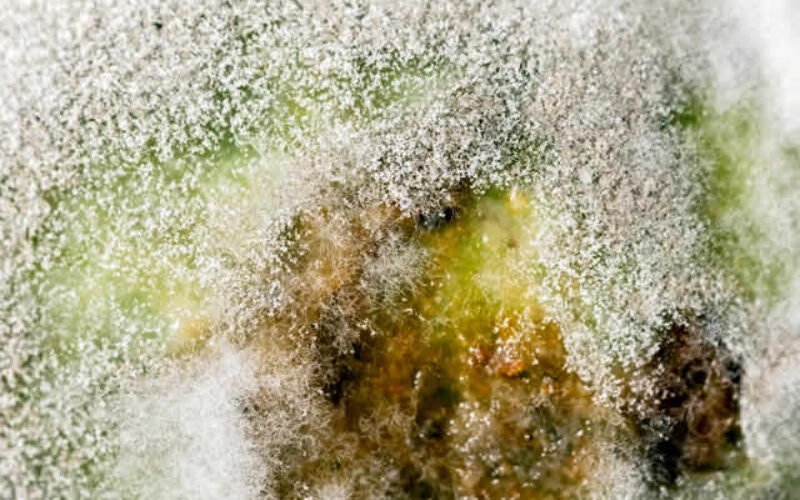
Mold is a type of fungus which flourishes where there is moisture. On shower surfaces, the mold is most often observed in corners, in the rear part of tiles, and on wet surfaces. High humidity, poor drainage, and poor air circulation are the major causes of mold growth.
Where water droplets remain on surfaces, mold spores have an ideal place to germinate and develop. Identifying and addressing these factors is required to eliminate the root cause. Spotting areas where trouble will arise in the shower is the secret to effective prevention.

Regular inspection of fixtures, grout, and tile allows early detection of mold growth. Awareness of causes drives the practice of good cleaning and ventilation habits. Focusing prevention efforts on known causes enhances effectiveness.

Daily Habits for Minimizing Moisture
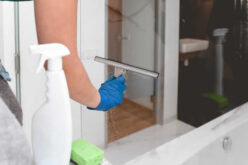
Simple daily routines are a critical component of preventing mold. After each shower, wiping down the walls, floor, and glass surfaces helps to eliminate excess water.
Squeegeeing water off the surfaces reduces drying time. Leaving the shower curtain or door open after use allows air circulation and moisture evaporation.
Periodic inspection and cleaning of showerheads and faucets also prevents water buildup. Operating a low-speed fan in the bathroom can also boost air circulation.
These daily habits, as small as they are, contribute significantly to removing the moisture that can help mold grow. Being consistent with these habits makes the shower less attractive to mold spores and ensures the space is cleaner and healthier.
Proper Ventilation Techniques
Proper ventilation is also one of the most effective ways to prevent mold. A ventilated bathroom discourages the growth of mold by reducing humidity. Installing a good-quality exhaust fan in any bathroom is a worthwhile investment.
The fan must be operated during and after showers to evacuate excess moisture. If the bathroom has windows, opening them can improve natural ventilation. If the shower is within an enclosed room, ensure that air circulates freely by keeping vents and doors open.
Periodic ventilation checks and cleaning, like dust and debris removal on fan blades, are also important. Improved airflow creates a drier environment that is less supportive of mold growth. By paying attention to ventilation, moisture is quickly removed, making surfaces drier and safer.
Maintenance and Cleaning Tips
Periodic maintenance and deep cleaning are essential in preventing mold from setting in. Mold-killing cleaners must be applied to tiles, grout, and shower fixtures.
Natural cleaning agents, such as vinegar and baking soda, are both effective and environmentally friendly. To minimize water retention on glass surfaces, applying a water repellent coating for shower glass can be highly effective. The coating creates a barrier that stops water buildup and reduces the chances of mold growth.
Cleaning should be performed at least once a week, with special attention to corners and other wet areas. A stiff brush or sponge is effective in removing any residue that may be left behind.

The Secret Threat Lurking in Your Home: Understanding Mold Growth
Understanding mold growth in the home is crucial for maintaining a healthy living environment. This guide covers everything you need to know about mold, from identifying different types and understanding their effects on your health to practical methods for removing and preventing mold growth.
Additional Preventive Measures
On top of normal cleaning and airing, additional steps can be implemented for enhanced mold prevention. Check shower seals frequently and exchange worn or compromised caulking. Leaking seals allow moisture to penetrate behind walls, and with this, underlying mold problems.
The use of moisture absorbers or dehumidifiers in bathrooms that have high levels of humidity is helpful. The use of mold-resistant paints on bathroom walls can provide extra protection. Occasional professional cleaning can help address hard-to-reach areas.
These extra measures provide a buffer to daily habits and a comprehensive means of mold prevention. Taking proactive measures now avoids more expensive repairs and health problems later.
Conclusion
Prevention of mold in the shower is achievable with proper care and smart strategies. Understanding how mold works and why it needs moisture are essential first steps.
Regular housekeeping routines, good ventilation, and frequent cleaning create an environment where mold struggles to grow. Additional measures, such as inspecting seals and using moisture absorbers, offer added protection.
other related analysis of interest: (new win)
Transform Your Outdoor Space with Beautiful Container Gardening
7 Stunning Pool Designs That Will Transform Your Backyard Oasis
Find Handyman Services (opens new win) Handyman Carpentry Electrical Plumbing top-rated, pre-screened local contractors FREE: download contractor selection enter zip code – powered by HomeAdvisor ™


Image credit: by envato.com
end of post … please share it!
| more photo remodeling |
Jump Over to Our Photo Analysis Center for Ideas on
"Renovating Home"
|__________________________________________________________|
home remodeling surprise
find out where it might go - new win


Helpful article? Leave us a quick comment below.
And please share this article within your social networks.