This blog post will guide you through designing a dynamic bedroom that evolves with your child, ensuring it remains a comforting and familiar space.
- post content
- Designing for the Future: A Bedroom That Grows with Your Child
- Color and Theme: The Lifespan of a Room’s Personality
- Personalization and Storage: Making It Theirs
- Tech Integration: Balancing Convenience and Limitations
- Involve the Child: Ensuring Ownership and Pride
- Longevity and Budget: Making Smart Investments
- conclusion
- side idea:Chalkboards to Bring Out the Adventure Imagination
- view key:collective notes
Designing for the Future: A Bedroom That Grows with Your Child
Creating a bedroom that can adapt to your child’s changing needs and tastes over the years requires thoughtful planning and versatile design choices. Prioritizing timeless furniture, multi-functional pieces, and adaptable lighting can ensure that the room remains appealing and functional from early childhood through the teenage years.
Below, we delve into key design strategies to help you craft a bedroom that your child will love at every stage of their growth.
-
Choosing Timeless Furniture That Adapts
Selecting furniture with a timeless design is one of the most effective ways to create a bedroom that evolves with your child. Opt for beds, dressers, and desks with clean lines and neutral colors.
These pieces not only offer a classic look but can easily blend with different decor styles as your child’s preferences change. Additionally, investing in high-quality, durable furniture will save you from needing frequent replacements, ensuring longevity and value.
-
Tips for Multi-Functional Pieces
Multi-functional furniture can greatly enhance the adaptability of a child’s bedroom. Look for beds with built-in storage or desks that can convert into vanity tables.
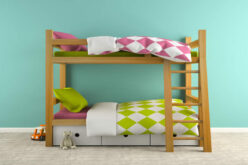
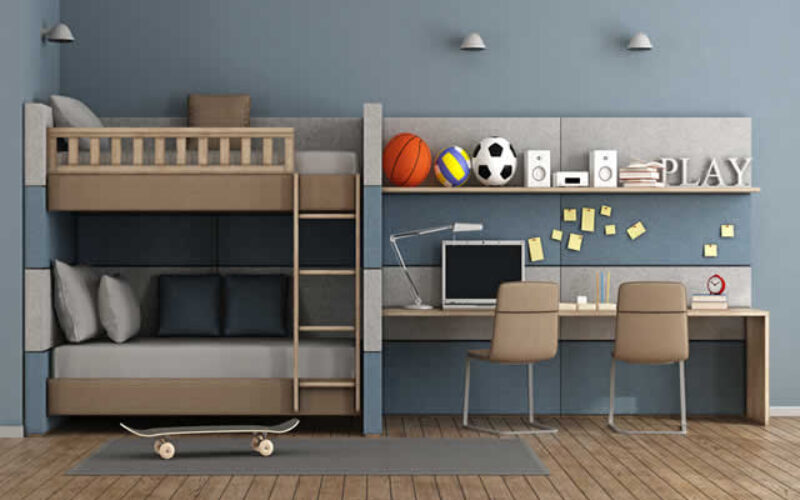
Bunk beds with a sofa underneath or loft beds with study areas are also excellent options for maximizing space. These versatile pieces accommodate your child’s needs as they grow, from toy storage in early years to study areas during school years.
-
Utilizing Adaptable Lighting
Lighting plays a crucial role in the overall functionality and ambiance of the room. Consider installing adjustable lighting options like dimmable ceiling lights and task lamps with flexible arms.
Fairy lights or string lights can add a whimsical touch in early years and be replaced with more sophisticated options later. Ensure that natural light is maximized during the day with well-placed windows and lighter curtains or blinds.
-
Incorporating Flexible Design Elements
In addition to furniture and lighting, integrating flexible design elements can further accommodate your child’s growing needs. Use removable wallpaper or wall decals that can be easily updated as trends and preferences change.
Opt for modular storage solutions that can be reconfigured over time. Personal touches, such as corkboards or gallery walls, allow your child to display their interests and creativity, making the space truly their own.


Color and Theme: The Lifespan of a Room’s Personality
Creating a room that evolves with your child involves thoughtful choices in color and theme. These elements significantly influence the room’s ambiance and can seamlessly transition from one stage of your child’s life to another.
Here’s how you can make strategic design decisions that ensure both longevity and adaptability.
-
Selecting a Neutral Base
Starting with a neutral base allows for greater flexibility as your child’s tastes develop over time. Neutral shades such as whites, greys, and beiges serve as a timeless backdrop that makes it easier to incorporate new themes and colors.
Neutral walls, furniture, and large decor items will provide you the freedom to make subtle or significant changes through accessories and smaller design elements.
-
Adding Pops of Color
Once your neutral base is set, introduce pops of color to give the room personality and vibrancy. These can come in the form of accent pillows, throws, rugs, and artwork that can be easily swapped out as your child’s preferences change.
Bright colors like turquoise, yellow, or coral can be paired with neutral tones to create a lively yet balanced environment.
-
Exploring Themes
Themes can bring a room to life but should be chosen with flexibility in mind. Instead of committing to a single, long-term theme, opt for elements that can be easily adapted.
For instance, a nautical theme can start with wall decals of marine animals and evolve into a more sophisticated coastal look with anchor motifs and seashell decor. Additionally, themes like nature, space, or sports can grow with your child through changing accessories such as bedding and wall art.
-
Chalkboard Paint for Creativity and Note Taking
Chalkboard paint is a fantastic way to add both fun and functionality to a room. By designating a section of the wall or furniture with chalkboard paint, you create an interactive space where your child can express their creativity and take notes.
This feature can evolve from playful doodling in younger years to an area for memos, homework reminders, or inspirational quotes as they get older.
By carefully selecting a neutral base, adding pops of color, exploring adaptable themes, and incorporating chalkboard paint, you create a dynamic and personal space that grows with your child, offering both utility and joy at every stage.

Personalization and Storage: Making It Theirs
Creating a personalized and organized living space is essential in helping your child feel a strong sense of ownership and comfort. Such a space will not only reflect their personality but will also cater to their evolving needs over time.
The following sections provide insights into how to effectively personalize and organize your child’s room through creative decor, gender-specific themes, and smart storage solutions.
-
Personalized Decor
Adding personalized decor is a wonderful way to make a room uniquely theirs. Options such as custom name plaques, monogrammed bedding, and personalized artwork provide a special touch.
You can even involve your child in the process, letting them choose specific designs or color schemes for a more intimate connection to their space. These elements stand out and add a layer of individuality that plain decor cannot offer.
-
Decor Themes That Match Gender
While it’s important to maintain flexibility, initially selecting themes that align with your child’s preferences can make the space more inviting. Gender-specific decor can cater to typical interests, such as princess castles, floral patterns for a girl’s room, or racing cars and space themes for a boy’s room.
The key is to choose foundational elements that can be refreshed or replaced as your child’s interests evolve, ensuring the room remains relevant and engaging.
-
Creative Storage Solutions
Effective storage solutions can significantly enhance the functionality of a child’s room while keeping it tidy and organized. Utilizing multi-functional furniture, such as beds with built-in drawers or benches with hidden storage, maximizes space and helps keep belongings in order.
Additionally, colorful bins, labeled shelves, and wall-mounted organizers make it easier for your child to learn where things belong, promoting a habit of tidiness from an early age.
-
Other Personalized Touches
Beyond decor and storage, there are numerous other ways to infuse personalization into your child’s room. Consider creating a gallery wall with their favorite artwork, awards, and photographs.
Interactive elements like a pinboard or a magnetic wall can serve as places for displaying cherished memories and ongoing projects. Rugs, curtains, and lighting that reflect their style can also transform the room into a cozy, inviting space that truly feels like their own retreat.
By integrating personalized decor, gender-specific themes, creative storage, and other unique touches, you can craft a space that not only meets your child’s needs but also celebrates who they are.
Tech Integration: Balancing Convenience and Limitations
In today’s digital age, integrating technology into a child’s room can provide an array of advantages, from enhancing convenience to offering educational opportunities. However, it’s crucial to strike a balance to ensure that technology serves as a beneficial tool rather than becoming a distraction.
This section will explore various aspects of bedroom technology, including its role, monitoring and limitations, smart design features, and other considerations.
-
Role of Technology
Technology in the bedroom can serve multiple roles, enhancing both functionality and enjoyment. Educational gadgets like e-readers or tablets stocked with learning apps can support homework and foster a love for reading.
Entertainment devices, such as smart TVs and gaming consoles, provide leisure activities that can be a great way to unwind. Additionally, tools like smart speakers and voice assistants can help streamline daily routines by setting reminders, playing music, or answering questions.
-
Monitoring and Limitations on Technology Use
While technology offers a wealth of benefits, it’s essential to monitor usage, especially for younger children. Implementing parental controls on devices can help manage screen time and restrict access to inappropriate content.
Establishing tech-free zones or times, such as an hour before bedtime, can promote better sleep hygiene and prevent the overuse of digital devices. Regularly reviewing these boundaries with your child ensures they understand the importance of balanced tech use.
-
Smart Technology Design Features
The design of smart technology has evolved to blend seamlessly with a child’s room, offering both aesthetic appeal and practicality. Smart lighting systems, which can adjust the room’s ambiance with different colors and intensities, are particularly popular.
Wearable tech, such as smartwatches, not only performs as health and fitness monitors but also incorporates safety features like GPS tracking. Furthermore, child-friendly smart assistants often have features tailored to kids, including playful voices and educational trivia games.
-
Other Considerations
When incorporating technology into a child’s room, it’s important to be mindful of its overall impact on well-being. Ergonomic furniture that supports good posture, and blue-light filters on screens can help mitigate any physical strain from device usage.
Additionally, fostering a sense of digital responsibility by discussing the importance of online safety and privacy can create a healthier relationship with technology. By thoughtfully integrating tech with these considerations, you can craft a well-balanced environment that nurtures growth and enjoyment.

Involve the Child: Ensuring Ownership and Pride
When designing a tech-integrated room, involving the child in the process can foster a sense of ownership and pride in their personal space.
By allowing them to contribute their ideas and preferences, you not only create a room they love but also teach them valuable decision-making skills and responsibility. Here’s how you can ensure your child’s input is valued and effective.
-
Importance of Child’s Input
Listening to your child’s preferences and ideas about their room design encourages self-expression and confidence. When children feel their opinions are valued, they are more likely to take care of and maintain their space.
This involvement also provides an excellent opportunity for parents to understand their child’s evolving tastes and interests, ensuring the design meets practical needs and personal preferences.
-
Creating a Space They Love
Allowing children to choose elements such as color schemes, furniture styles, or even the type of smart technology to be integrated can make a significant difference in their attachment to the room.
Whether it’s selecting their favorite hues for smart lighting systems or picking out customizable features for a smart assistant, giving them autonomy helps create a space that truly reflects their personality and interests. This personal touch can make their room a favorite retreat where they feel safe and happy.
-
Encouraging Responsibility and Engagement
Giving children a role in the setup and maintenance of their tech-integrated spaces also teaches responsibility. By involving them in tasks such as setting up smart devices or deciding on app permissions, they learn about the functionalities and safe usage of technology.
Regular discussions about tech use habits, internet safety, and the importance of maintaining a clutter-free area further reinforce responsible behavior and mindfulness.
-
Other Considerations
Empowering your child in the room design process goes beyond just selecting smart tech features. It involves a holistic approach where their needs for comfort, creativity, and well-being are considered.
For instance, integrating ergonomic furniture that supports proper posture or setting up a cozy tech-free reading nook can balance their technology use. Structuring an environment that allows for both high-tech and low-tech activities ensures a harmonious blend that fosters overall growth and enjoyment.
Longevity and Budget: Making Smart Investments
Creating a tech-integrated space for your child requires careful consideration of both longevity and budget. Investing wisely ensures that the technology will stay relevant and functional as your child grows, while also being cost-effective.
Here’s how you can make smart investments that balance longevity with your budget.
-
Cost-Effectiveness of Long-Term Choices
When selecting smart technology for your child’s room, it’s important to prioritize devices and systems known for their durability and long-term support. Opt for established brands with good reputations for software updates and customer service.
This approach minimizes the need for frequent replacements or repairs, thereby saving money in the long run. For example, a high-quality smart lighting system that offers regular firmware updates will continue to provide new features and improved security over the years.
-
Updating Without Breaking the Bank
Technology evolves rapidly, and what’s cutting-edge today might become outdated in just a few years. To address this, consider modular systems that allow for easy upgrades.
Smart home hubs and assistants often support a wide range of third-party devices, making it easy to update individual components as needed without replacing the entire system.
Additionally, look for trade-in programs offered by manufacturers that mitigate the cost of upgrading to the latest models.
-
Balancing Initial Costs with Long-Term Benefits
While the initial investment in high-quality tech might seem steep, the long-term benefits often outweigh these costs. Energy-efficient devices not only reduce power consumption but also contribute to lower utility bills over time.
Smart thermostats, for instance, can optimize heating and cooling patterns to save energy, which is both eco-friendly and budget-friendly.
-
Exploring Financing Options
Many tech companies and retailers offer financing plans that can make acquiring high-quality smart devices more manageable.
These plans often come with low or no interest rates, allowing you to spread the cost over several months or years. This can help you equip your child’s room with the best technology without a significant initial outlay.
-
Investing in Education and Skill Development
Beyond the hardware itself, consider investing in educational tools that enhance your child’s learning experience. Codeable toys, interactive learning apps, and subscription services that provide regular content updates can offer invaluable skill development.
These investments foster a lifelong appreciation for learning and adaptability in an ever-changing technological landscape.
By considering both the upfront and long-term costs, you can create a tech-savvy environment for your child that is both advanced and sustainable. Balancing quality with affordability ensures that your investment remains viable and beneficial for years to come.
other related articles of interest:
Conclusion
Creating a dynamic and timeless child’s bedroom involves flexibility, personalization, and forward-thinking design. By choosing timeless furniture, incorporating multi-functional pieces, and involving your child in the process, you can create a space that grows with them.
Remember, the key is to balance practicality with personal touches, ensuring the room remains a cherished and functional space throughout their childhood and teenage years.
Ready to start designing? Share your timeless design tips and success stories with us!
Find Interior Design Services Decorators Interior Designers Furniture Painting & Staining top-rated, pre-screened local contractors FREE: download contractor selection enter zip code – powered by HomeAdvisor ™


Image credit: creating a timeless child’s bedroom by envato.com
end of post … please share it!
| more photo remodeling |
Jump Over to Our Photo Analysis Center for Ideas on
"Renovating Home"
|__________________________________________________________|
home remodeling surprise
find out where it might go - new win


Helpful article? Leave us a quick comment below.
And please share this article within your social networks.