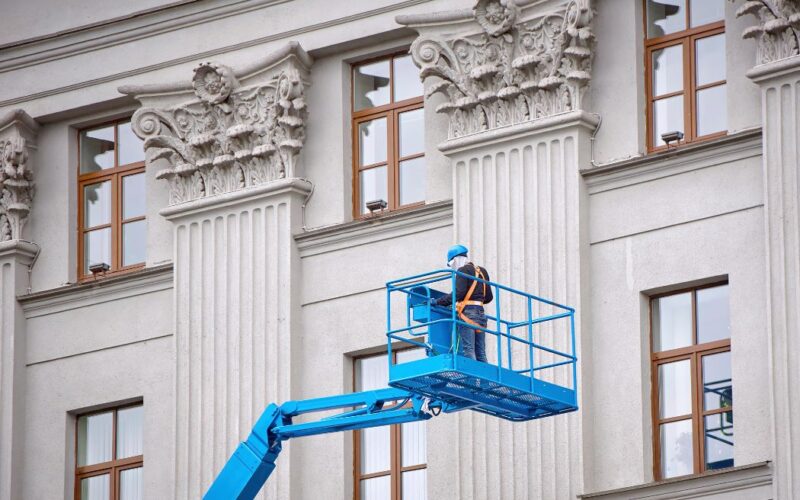
But as terrific as older buildings are, they sometimes come with issues and challenges particular to structures of their times. Here are four concerns about renovating older buildings you should know, and how to stay safe while dealing with them.
Lead Paint
Lead paint is quite common in homes built before the 1970s. Lead helped paint dry faster, made the coat look fresher and last longer, and helped protect metal objects (like radiators) from moisture, rust, and corrosion. But as lead paint ages, it peels in rectangular flakes.
The lead in the paint can lead to brain damage, infertility, kidney issues, and an impaired nervous system if inhaled or eaten. Therefore, you can’t just strip or scrape away old lead paint without taking extra precautions.
Asbestos
Once upon a time, asbestos was considered a wonder substance, useful in construction and beyond. Asbestos refers to the six types of minerals featuring tough fibers that are heat-resistant, provide insulation against electricity, and strengthen other building materials like cement, paper, cloth, and more.
Unfortunately, asbestos can cause scarring, a lung disease known as asbestosis, and mesothelioma, a form of cancer, once inhaled or ingested. Homebuilders used asbestos as insulation under floor tiles and roof shingles, around pipes, and more from the 1930s through the 1970s.
Today, home inspectors check for asbestos. You can expect to pay for asbestos remediation or abatement if the inspector finds any.
Pests
A pest falls under a broad category regarding our list of four concerns about renovating older buildings. Older buildings have had time to settle, crack, and rot, providing entrances for all manner of critters. Rats and mice can sneak in searching for food. They leave behind urine and droppings, raising the risk of foul odors and disease, and are known to chew through electric wiring behind the walls.
Birds can also add foul-smelling waste behind the walls and under the roof, which can damage the inner wooden frame, destroy paint finishes, and more. This concern may require hiring a carpenter and finding and sealing any points of entry.
Modernization
Older buildings come from a time when much of the construction work was done by artisans and craftsmen with hand tools and, sometimes, nonexistent materials. Today’s building codes place demands on the reconstruction and rehabilitation of older buildings, demanding changes foundational changes and changes in plumbing, electrical wiring, and even ornamentation.
Your construction crew must take extra care in handling, replacing, and restoring everything, as modern methods may cause irreparable damage. Discuss this concern with the restorationist with whom you choose to work.
end of post … please share it!
|__________________________________________________________|
home remodeling surprise
find out where it might go - new win


Helpful article? Leave us a quick comment below.
And please share this article within your social networks.