Overgrown Plants and Trees
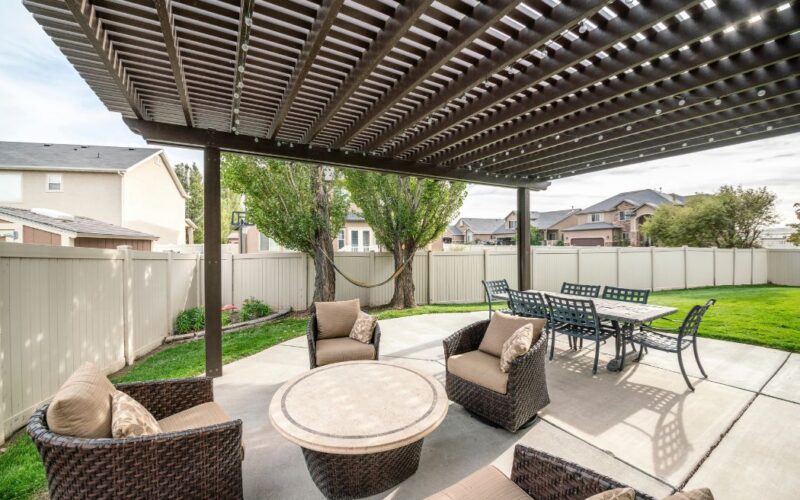
If your concrete patio, driveway, or path is too close to a nearby tree, the expanding roots could damage it and cause cracks. Tree roots and other plant life could expand to your concrete installation and push into the material itself. While concrete is strong and durable, large roots could still break through the surface. Try to install concrete at least three feet away from large trees to avoid root damage.
Poor Drainage
Standing water and erosion can also damage your concrete installation over time. Both result from poor drainage around your property. After heavy rains, if your landscaping doesn’t naturally reroute runoff, it could lead to pooling water around your concrete. Runoff can cause erosion around your concrete surface, which causes it to shift, crack, and dip. Pay attention to how access water flows around your property, and help protect your concrete by routing water away from your installation.
Weather Conditions
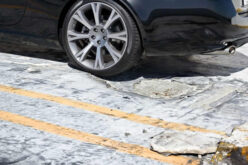
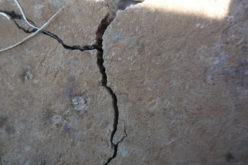
Outdoor concrete installations, such as your patio or driveway, naturally experience wear and tear from weather conditions. Rain, hail, wind, and other tough weather patterns will slowly wear down your concrete over the years. If you live in an area where the temperature drops low enough to freeze during the winter, these seasonal differences will also put lots of strain on your concrete. When the moisture in your concrete freezes, it causes it to expand, which puts pressure on your installation. This pressure can lead to cracks and dips in your concrete, which will worsen with time and continued freezes.
Too Much Weight
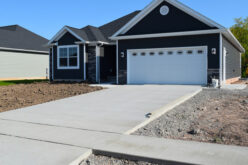
You should try to avoid placing too much weight on your concrete installations. Even commercial concrete can start to warp and crack over the years after placing too much weight on it. Make sure that your concrete is thick enough during installation so that it can support the weight of vehicles, equipment, appliances, and other items you may store on top. Concrete driveways should be at least four inches thick to support the heavy vehicle load.
Remember these conditions that can damage your outdoor concrete, and inspect your installation regularly. If you notice signs of damage, it could be time to repair or replace your concrete driveway, patio, or pathway, depending on the severity of the damage.
Image Credit: Adobe royalty-free stock image #454841332
|__________________________________________________________|
home remodeling surprise
find out where it might go - new win


Helpful article? Leave us a quick comment below.
And please share this article within your social networks.