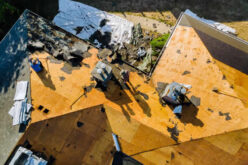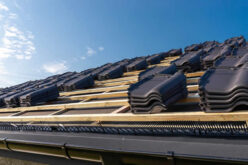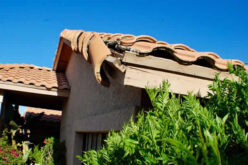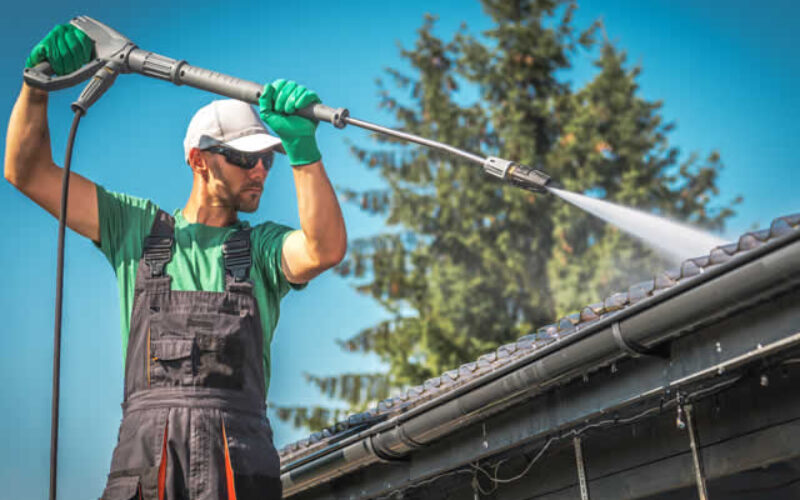
When it comes to roof cleaning, there is a clear distinction between soft washing and power washing. The difference is that pressure washing uses high-pressure water to blast away dirt and grime.
On the other hand, soft washing uses low-pressure water to break down and remove dirt and grime. This method is safer for delicate surfaces like siding, shingles, and gutters.
Pressure
Roofing is one of the essential features of a home. It helps to reflect the sun, helping keep your home cool and reduce energy costs.
However, a roof can get dirty over time. Mold, mildew, algae, moss, and other buildups can cause a roof to look old and worn out, negatively impacting your home’s curb appeal.
Pressure washing is a technique that involves using high-pressure sprays of water to remove dirt and grime. It can clean various surfaces, including concrete, brick, and stone.
Soft washing is a less harsh cleaning method that uses a low-pressure rinsing process that doesn’t strip away roof tiles and granules. Instead, it uses special surfactants and detergents to penetrate all nooks and crannies of a home’s roof, dissolving dirt, grime, and debris that is otherwise hard to reach.
A clean roof can extend the lifespan of a house. It can also improve its appearance and help to increase its value.
Chemicals
The chemicals that make up the chemical roof cleaning formulas are formulated to dissolve and wash away thick dirt, grime, and other material on your roofing materials. These products are designed to be sprayed on the surface of your roofing materials and left on for a short time before being rinsed off.
Sodium hydroxide, called caustic soda or lye, is the first chemical that makes up many roof-cleaning agents. Often used in high concentrations, this substance breaks down the petroleum-based products of asphalt shingles and other roofing materials.
It is essential to use proper dilution amounts and high flow rates when using this substance. Misusing it can wreak havoc on your shingles and the surrounding vegetation.
Another common chemical that is used in roof cleaning is sodium hypochlorite. This substance turns into salt when all traces of water have evaporated, and the dilution rate must be correct.

Equipment
The right roof cleaning equipment is essential for a safe and effective job. It should be stable, ergonomically designed, and easy to use.
The best equipment should be able to perform multiple tasks, such as snow removal and cleaning the roof. It should also be strong enough to survive repeated use.
Safety equipment such as goggles, gloves, and boots are crucial for keeping you safe while working on the roof. A harness and a fall arrest are also recommended to prevent any injury.
Safety
Soft washing uses water under pressure at a rate of less than 1,000 psi with low-pressure nozzles. It combines the cleaning power of safe soaps, chemicals, and surfactants to clean your home’s siding and roof.
Soft washing can be used on any roofing surface, from tile to shingle and metal. It is also recommended for cedar shake, wood paneling, stucco, and screened enclosures.
It is a safer alternative to power washing, which may cause damage to your roof. In addition, it kills harmful growth at the source.
To be safe during roof cleaning, you should wear protective gear. It includes gloves, safety goggles, long pants, and rubber-soled shoes. It is also essential to follow proper procedures.
For example, climbing a ladder with a safety harness is only advisable. Removing debris and objects from the area is also a good idea. These can be hazardous to workers and increase the risk of accidents or injuries.
Image credit: between soft washing and power washing by envato.com
end of post … please share it!
| more photo remodeling |
Jump Over to Our Photo Analysis Center for Ideas on
"Renovating Home"
|__________________________________________________________|
home remodeling surprise
find out where it might go - new win


Helpful article? Leave us a quick comment below.
And please share this article within your social networks.