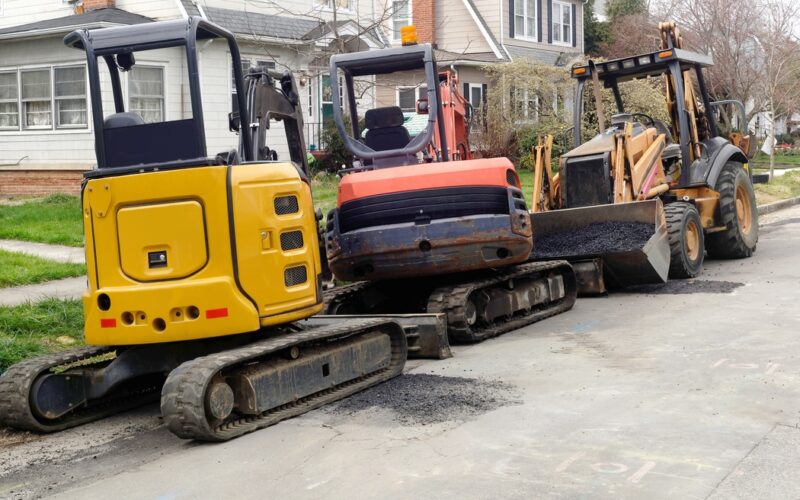
While heavy-duty vehicles work well on construction sites, they still require routine maintenance to remain functional, especially on challenging terrain. Prevent dust and debris damage in construction equipment and improve your site conditions to finish your project safely and on time.
Use High-Quality Air Filters
Dust and debris quickly accumulate in the air intake systems of construction equipment. As these particles enter your equipment, clogged air filters restrict airflow and cause the engine to overheat and lose efficiency.
To minimize particle buildup, install high-quality air filters specifically designed for heavy-duty equipment. Replacing the filters regularly will maintain optimal performance and keep your machinery running smoothly.
Regularly Clean Equipment Surfaces
Built-up debris on equipment surfaces can impact moving parts and cause premature damage. Keeping these surfaces clear will enhance equipment efficiency and reduce wear on your powertrain components, especially in harsh conditions. Before operating your construction equipment, use compressed air or gentle water pressure to clean off dirt and debris daily.
Operate With Protective Covers and Guards
To prevent dust and debris damage in your construction equipment, install specialized covers and guards to protect the engine, radiator, and hydraulic lines from excessive debris. These low-cost additions will save you money in the long run by reducing repairs. For additional support, custom-fit covers can fully shield your equipment by matching its shape and design and blocking debris from entering small crevices.
Maintain Proper Oil Levels
Dust can enter the engine and mix with oil, which causes poor lubrication and accelerated wear. To mitigate these types of damage, check and change oil frequently so that your equipment operates at peak efficiency. Use manufacturer-recommended lubricants to extend the life of your machinery.
Schedule Regular Inspections
Routine inspections can help identify and address dust-related issues before they transform into severe damage. If you hired a team of professionals for the job, make sure these operators inspect seals, filters, and hoses for signs of wear or damage. A consistent schedule prevents small problems from interrupting daily operations and timelines.
If your equipment shows persistent performance issues, unusual noises, or reduced efficiency, a specialist can guide your team through the repair process. Skilled technicians can perform deep inspections and advanced repairs to get your construction equipment back in top shape.
Proper maintenance protects your investment and keeps your project on track. By following these tips and seeking timely professional support, you can safeguard your equipment from dust and debris damage and ensure long-term performance.
Image Credentials: By Noel, 199359573
end of post … please share it!
| more photo remodeling |
Jump Over to Our Photo Analysis Center for Ideas on
"Renovating Home"
|__________________________________________________________|
home remodeling surprise
find out where it might go - new win


Helpful article? Leave us a quick comment below.
And please share this article within your social networks.