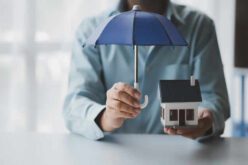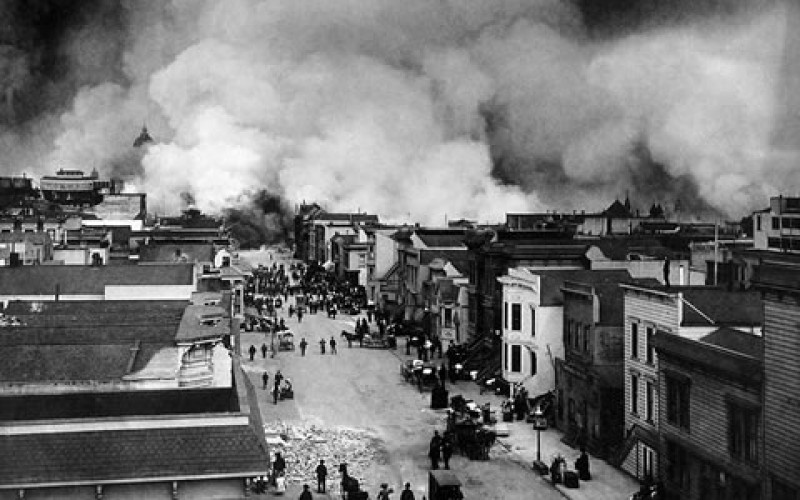
If the "Big One" comes along, you can rest easy knowing you did everything you could to protect your property and belongings from an earthquake. Take these tips into your fall house winterizing this year.
Start with an Inspection
If you live in an area known for earthquake activity, your home was probably built with ground shaking in mind. However, when you move in, it’s a good idea to have a professional inspection. If your house is particularly dated, the engineering could be outdated as well. A professional engineer can retrofit your house by identifying any structural weaknesses and improving the overall structure.
Protect Your Belongings
If you’ve experienced an earthquake, you probably know the first thing to go are the things hanging on your wall. Experts say to drill everything into the studs. If you’re merely drilling into the drywall, the shelves and pictures will quickly fall right out as soon as the earth begins to shake. Don’t forget to anchor your TVs, too. According to Vancouver apartment insurance professionals, they’re easily tipped over without any support.
Anchor Your Water Heater
A lot of people don’t think about their water heaters being dangerous during an earthquake. If they fall over, they can pull gas connections from the wall, and cause a gas leak. It will also most likely need to be replaced when it hits the ground. To prevent this, anchor it at the top and bottom to keep it safely upright in the event of a quake.
Guard Your Breakables
If you have a china cabinet filled with precious glass heirlooms, you’ll want to do what you can to prevent them from shattering. Use something like plastic putty to keep them adhered to the shelves. All you have to do is roll out a piece and flatten it underneath the item to secure it to the shelf. Most hardware stores carry these putties, or an antique store might have a specific earthquake putty.
Don’t Forget the Small Appliances
While you’re busy fixing your larger and more priceless items to their proper places, you shouldn’t forget your smaller electronics like your microwave. Underwriters Insurance Brokers (BC) Ltd suggest securing your microwave with special restraint straps if it’s on a shelf, or a non-slip mat underneath can keep it in place during the quake. There are also small rubber cups that can keep items like your DVD players safely in place.
If your house is structurally sound, the next logical step is to ensure your belongings remain safe. The major costs associated with earthquakes are often related to the damages done to belongings as they topple from shelves and off the wall. Don’t let your belongings fall victim to Mother Nature.
|__________________________________________________________|
home remodeling surprise
find out where it might go - new win


Helpful article? Leave us a quick comment below.
And please share this article within your social networks.