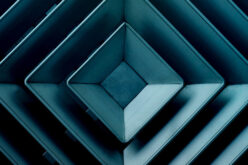
All natural things in the world feature textures, counteracting the ideals of artificial perfectionism and creating authenticity. For many people, refined, sleek rooms and surfaces tend to feel more formulaic and bland.
Here’s how to add textures to your spaces to create a beautiful home.
Tiled Backsplashes
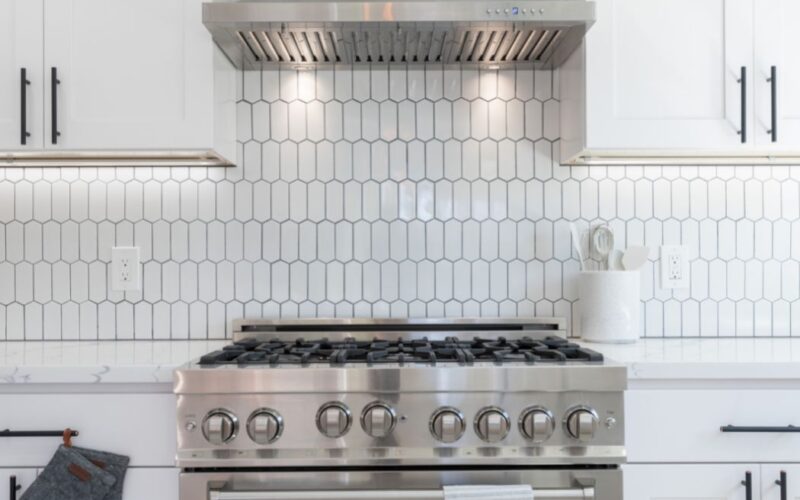
Tiled backsplashes provide both a functional and design purpose. Their smooth, hard surfaces make them easy to clean and durable against moisture. Furthermore, they withstand humidity, moisture, splashes, splatters, and spills in the kitchen and bathroom.
As a design feature, backsplashes are a great way to implement texture. They create jagged and raised walls, transforming the look and shape of a space. Tiles provide added textured characteristics.
The grooves in between each tile create uneven surface levels. Tiles offer more color and pattern variations to select from than other paneling and backsplashes, providing you with plenty of style options and texture variations.
Wood Floors
Wooden floors add texture to the base of your home. Although their surfaces often get smoothed down and finished, wooden flooring still produces character with its burls.
Their natural swirls and varied coloration display visual textures that make a space feel cozy and authentic. Explore the many wood species available for floors and discover their numerous variations.
From there, you can implement wooden flooring featuring pigmented, natural colors, streaks, and swirls for a touch of texture in your home.
Wall Paneling
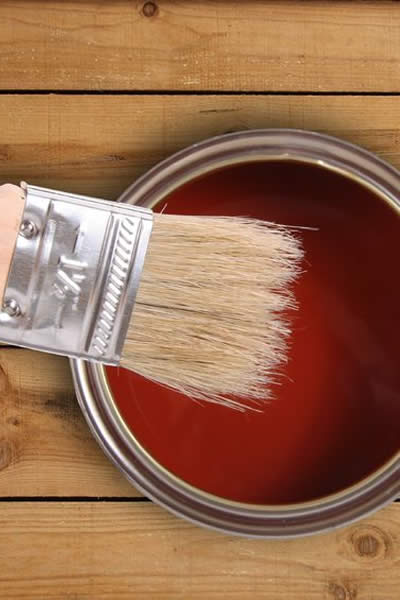
Wooden panels also offer another solution to adding texture to walls. They create raised designs, typically framing parts of a wall’s surface.
The easiest way to implement them in your home design is to take large wooden frames or wood strips, nail them down, and paint them the same color as the wall.
Doing this blends the framed patterns into the structure of your home. Like backsplashes, wall paneling adds texture through uneven wall surfaces.
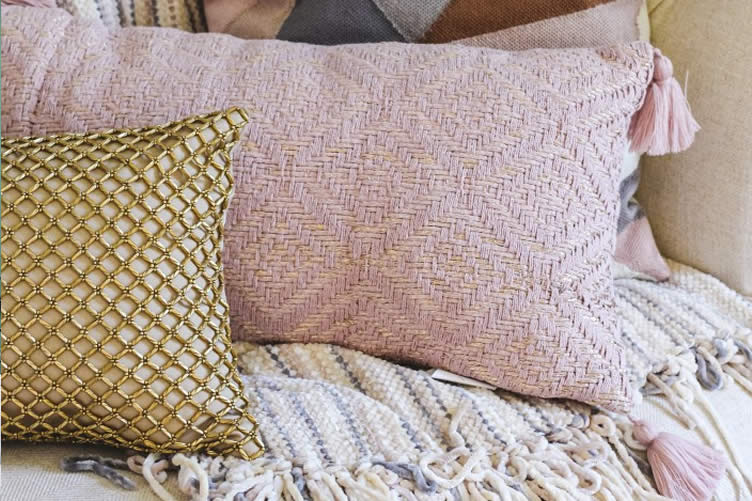
decorative pillowsdecorative throw blanket
some decorative throws to consider
Fabric Furnishings
Fabrics come in various forms, textures, and designs. Implementing various fabric furnishings, from fabric murals to table runners and leather couches, is the easiest way to include texture in your home.
The more fabric variations and material combinations you include, the more textures you add. Popular materials to feature in room designs include metals, cotton, wool, wicker, (faux) fur, and (faux) leather.
Creating textured room designs within your home makes your spaces unique and full of character. Like colors and shapes, textures offer a fun medium to play around with and explore.
They challenge your creativity and build spaces filled with authentic ambiance. With textures, you can bring your home to life.
Find Walls & Ceiling Services (opens new win) Drywall Installation Ceilings Painting & Texturing Tile top-rated, pre-screened local contractors Wallcoverings Ceilings – Fans Walls – Exterior Walls – Interior FREE: download contractor selection enter zip code – powered by HomeAdvisor ™

Image credit: How To Add Textures to Your Home’s Design by EmilyKam FILE #: 471111915
end of post … please share it!
@import url(https://www.letsrenovate.com/ideas/wp-content/themes/novomag-theme/css/responsive/menu.css)
|__________________________________________________________|
home remodeling surprise
find out where it might go - new win


Helpful article? Leave us a quick comment below.
And please share this article within your social networks.