However, while you may not be able to stop these incidents from occurring, you can take steps to minimize their impact.
Many homeowners understand the severity of damage that can come from water getting where it’s not supposed to be. However, many people do not know what to do when a flood or leak occurs that begins to cause such damage. It can be very easy to panic, but if you keep some of the following basic steps in mind, you will be able to react in a way that is more helpful in the aftermath of a flood or leak event.
Damage Control
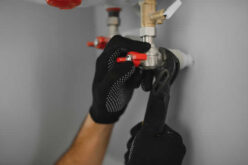
If the flooding inside of your home is coming from its plumbing, locate your main valve, shut it off, and call a plumber. Plumbers suggest that the faster you do this, the less water damage you’ll have to contend with. If the water is coming into your home from the outdoors, retrieve anything important before it can be harmed. If possible, try to find something to help block or slow down the flow of water. The idea is to get things under control before they can become too severe.
Safety Check
Make sure that there are no electrical hazards present before entering a flooded area of your home. These areas can also present a bacterial hazard, so always wear gloves, boots and goggles before doing any work. Furthermore, ensure that there is nothing lying around that can cut you as the potential for infection is great.
 |
find a local, top-rated testing & abatement services |
Cleanup
The sooner you begin the cleanup process, the more damage you’ll be able to prevent. Start by removing any objects that are beyond being salvaged and disposing of them. The process will proceed much more efficiently without it in your way. Tear up any carpeting that was heavily damaged by water, and follow up by cleaning the floor underneath. If the flooding is fairly minor, try to mop up as much of the water as you can. If the flooding was massive and the damage severe, professional assistance may become necessary.
Mold Prevention
Next, mix a weak solution of bleach and water in a spray bottle. Spray it over all of the surfaces the water came into contact with, including walls. This will prevent the growth of mold and mildew that can make you ill and cause walls and floors to rot. You should also set up a fan so that it blows over the affected area. Increasing air flow is critical to speedy drying.
Contact Your Insurance Company
If your homeowner’s insurance covers flooding and leak damage, you should call the company as soon as possible. Someone will come to assess the damage and determine how much the company is willing to pay for. This could reduce or even eliminate your out-of-pocket costs.
Leak and flooding damage can be a devastating blow for homeowners. That’s why it’s important to act quickly when they strike. By following the above steps, you can control the amount of damage done to your home and your wallet.
| google+ |
|__________________________________________________________|
home remodeling surprise
find out where it might go - new win


Helpful article? Leave us a quick comment below.
And please share this article within your social networks.