As it turns out, basements are well suited to serve as wine cellars. But before you splurge on some fine-aged alcohol, you need to consider practical building aspects for the renovation. To this end, here are some tips that will help you create a basement wine cellar of your own.

Maintain Ideal Air Conditions
Keeping a collection of wine entails maintaining certain air conditions; poor conditions can compromise a wine’s quality. In general, your basement needs to keep proper temperature and humidity levels. Installing a wine cooling system is instrumental in this regard, and you have a few options to choose from.
A through-the-wall version is the affordable option, and it’s easier to set up. The downside? It creates a lot of noise. A split cooling system, on the other hand, is quieter but more expensive.
You can place the condensing unit away from the cellar (which will help with noise reduction), and you don’t have to make a hole in the wall to accommodate it. However, you’ll require professional help for installation.
The final type is a ducted cooling system, which uses HVAC vents to blow cold air into the basement. This is generally the most expensive option, but it’s also the most advantageous. You don’t won’t have to worry about making space for the cooling unit at all, and noise will be at a minimum.
Weatherproof the Room
Your temperature and humidity control efforts will be for naught if you don’t properly close off the cellar from the outside. This is where the right door, vapor barriers, and insulation make all the difference.
You don’t want warm air diffusing into the basement—or vice versa—when you’re trying to uphold a specific temperature range. When it comes to the door, weather stripping will keep air from both entering and escaping.

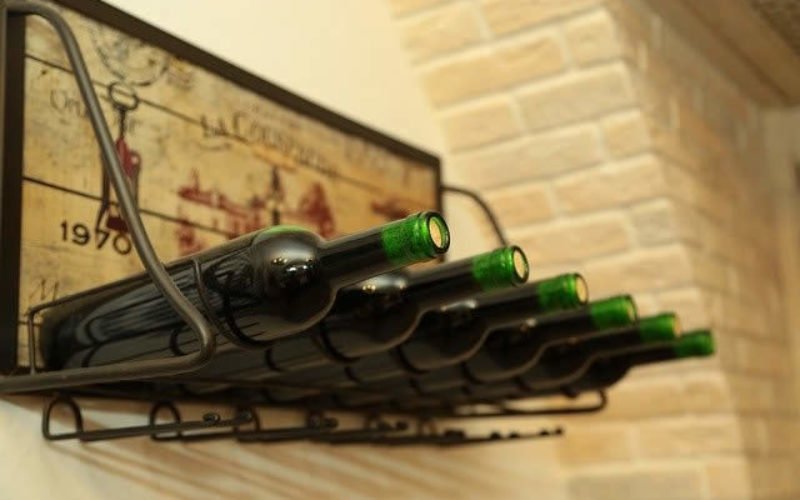
look for: wall wine racks wine cellar barrels
Possibly even more important than this, though, is the state of your basement’s walls, ceiling, and floor. If you haphazardly create your cellar without regard to these areas, it will quickly become a wet mess.
You’ll also ruin all the wine. That’s why it’s vital you find the proper waterproofing solutions that protect your basement—and everything in it—from the elements.
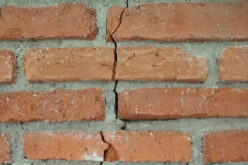
On the naked wall and ceiling, you should initially put in plastic vapor barriers to prevent moisture from entering the area. After this, install insulation so that you can better maintain internal temperatures. If there are any visible cracks, spray foam insulation can effectively close them.
other valuable tips:
As for the floor, waterproofing sealants will mitigate the drawbacks of concrete’s porous nature—which can be especially problematic during periods of heavy rain or snow.
Image credit: basement wine cellar by Pixabay
end of post … please share it!
COLLECTION: having a fun room ideas
|__________________________________________________________|
home remodeling surprise
find out where it might go - new win


Helpful article? Leave us a quick comment below.
And please share this article within your social networks.