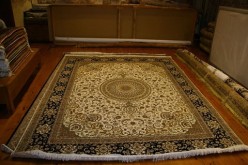
How you lay them out can make a big difference in the final visual effect and result, so you need to plan ahead to make sure it will work for your space. There are nine things to consider when looking at tile patterns and layouts.
Current Trends in Tile Patterns
Taking a look at some of the latest trends in tile patterns and how to lay tile with different colors and textures can help you find something that’s the perfect fit for your space. Some of the latest trends include:
-
Wood-Look Tiles –
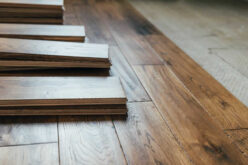
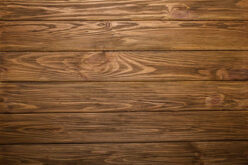
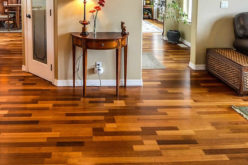
An alternative to hardwood floors, planks and square tiles that create the appearance of real wood are becoming increasingly popular for bathroom, storage room, and laundry room floors, as well as for utility areas.
These are durable flooring options, and the tile patterns can be laid out to create the appearance of wood planks.
-
Marble-Look Tile –
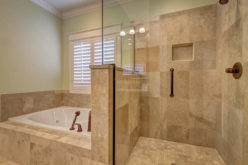
Marble is a high-end, luxury flooring option that is also growing in popularity when renovating bathrooms and living areas. Natural marble is very porous, so many people choose marble-look tiles to create the same look without compromising on durability.
Marble tiles can be laid out in a way that creates a beautiful marble pattern or swirl designs. You can also lay out the marble tiles in a distinct pattern to create rectangles and squares using contrasting colors of marble tiles.
-
Mosaic Tiles –
Using smaller tiles inserted between larger tiles to create mosaic art is a great way to make a room appear larger or turn a part of the room into the focal point of the area.
There are different ways to lay out these tiles to create visual effects, interesting designs, and conversation spaces within a room.
-
Centered Tile Patterns –
When you’re wondering how to lay tile in one hallway, around a doorway, or in any area where you want to create a distinct perimeter, you’ll need to plan a tile pattern that’s centered in the space.
This could involve laying a set of tiles in a rectangle or square shape in the middle of the room, with a contrasting color of tile around it. You could also install a diagonally centered pattern to draw the eyes toward the center of the room.

-
Herringbone Patterns –
This is a popular choice when laying brick or other small tiles across a floor. The zigzag effect or brick wall design can add some dimension to the space and works for both flooring and on walls.
If you’re working with brick tiles, you’ll want to make sure you’re following the pattern all the way across the floor or wall and alternating the rows.
You can create the herringbone pattern with all types of tiles, including porcelain and ceramic tiles cut in rectangular shapes, glass and mirrored tiles, and different types of stone tiles in various sizes.
-
Interlocking Tile Patterns –
Interlocking tiles are becoming increasingly popular for commercial spaces and heavy-use areas that require carpet tiles or less expensive materials to cover large spaces.
With these tiles, the pattern simply repeats itself over and over again to create a unified look. You’ll find interlocking wood-look tiles, printed carpet tiles, and vinyl flooring that can create a seamless look in both small and large spaces.
Things to Avoid When Choosing a Tile Layout
When you’ve decided what type of design or patterns you want to create on the floors, you need to make sure the layout works with the space. Placing the tiles at the wrong angle or setting your tiles in a way that cuts off most of the design can make the work look unprofessional and aesthetically unbalanced.
When you’re creating a square-set or grid pattern—one of the easiest tile layouts, and one commonly used in bathrooms, kitchens, and utility rooms—you need to make sure there aren’t any thinly cut tiles left hanging on the edges of the room. Measuring before cutting is critical for getting the design just right.
- You can make a room look bigger with a diagonal pattern. All you have to do to create this is lay down square tiles at a 45-degree angle and make sure you’re not leaving thinly cut tiles at the edges of a room. Diagonal sets can add some visual interest to a room and also create the illusion of a larger space.
- Pinwheel, or hopscotch patterns, can help you incorporate two different materials and colors to create an attractive pattern. However, if you decide to choose this type of layout, you’ll need to make sure you’re choosing tiles that are enough of a contrast to each other, or the design won’t work. Use two different sizes of tile and tiles with distinct colors and patterns to create the right effect.
- The arrow-like chevron pattern is a popular choice for creating an upscale and luxury look, but it can also be one of the most time-consuming tile patterns to work with. Unless your tiles are already cut down to create this pattern, it can be very tricky to line up the tiles perfectly to maintain the zig-zag shape.
Find Flooring Services Brick & Stone Concrete Carpet Hardwood Laminates & Vinyl Tile top-rated, pre-screened local contractors FREE: download contractor selection enter zip code – powered by HomeAdvisor ™


One way to get this look without worrying about lining up the design is to pick rectangular tiles that already have the chevron design printed on them. This way, you can simply lay down the rectangular tiles without worrying about angles. You can also find these tiles as a mesh sheet.
Plan Ahead to Create the Right Look
Whether you’re wondering how to lay tile in the foyer area, kitchen, bathroom, or even an outdoor space, you’ll need to pay attention to the design and patterns of different floor tiles to create the right look. Use these tips to ensure you’re choosing the right pattern and design for your flooring project.
other valuable tips:
Image credit: Pixabay
end of post … please share it!
| google+ |
GUIDE: what’s needed to qualify for financing
|__________________________________________________________|
home remodeling surprise
find out where it might go - new win


Helpful article? Leave us a quick comment below.
And please share this article within your social networks.